When I started my time at the Connected Intelligence Centre, I wrote that I did not want to come to Australia to do exactly the same things I do in Murcia, only 17,500 kilometres further away. Educational Optics was not part of the plan then.
The idea appeared here, while talking with Simon about what I could tell people about the work we do in Murcia and, more importantly, how I could tell it in a place that does not necessarily share our references, our vocabulary, or our ways of framing problems. At some point I thought that perhaps I needed more than one seminar… and, you know, the crowd rules: four of them emerged from that — The Prism, The Lens, The Mirror and The Telescope.
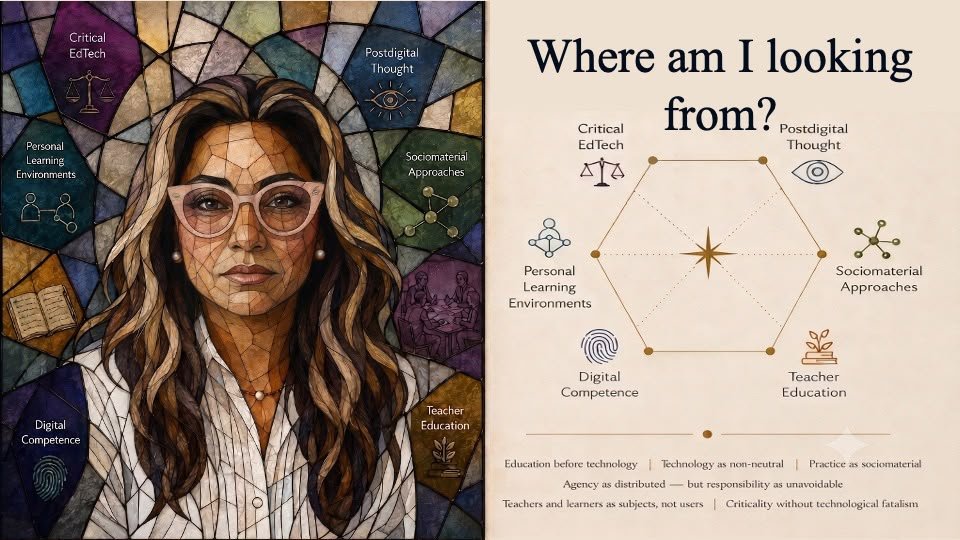
But the seminars did not exist. I built them here from scratch: the arguments, the connections, the questions, the metaphors, and every single slide; the visual identities, the fonts, the colour palettes… I even had to think about how to introduce myself, and I had quite a lot of fun making slides that introduced me through the metaphor of each seminar — I am particularly proud of the ones for the first two, it has to be said. And that whole process ended up becoming a much more important part of my time here than I had expected.
The Prism forced me to think about what I actually wanted to do with our work on the dimensions of AI, beyond presenting a framework. The Lens took me back to PLEs and made me ask what I see in them now that I did not see in quite the same way a few years ago. The Mirror started with teachers’ digital competence and ended up connecting it with institutional transformation and educational judgement. And, while preparing The Telescope, I realised that the story I wanted to tell was not the story of the different things I have been doing with AI in my teaching but, as I ended up saying in the seminar, the evolution of the problems I needed to solve and of what I needed to be able to see.
Also, each seminar was built while the rest of the visit kept happening. Between one and the next there were conversations, questions, meetings, readings and, of course, the previous seminars themselves. Some connections appeared precisely because I was trying to explain my work here; others came from listening to what other people saw in it; some things I thought I had pretty clear became rather less clear — which is not necessarily a bad thing — and other things I had been thinking about separately for quite a long time started to find each other.
When I planned the series, I talked about it as an exercise in translation: reformulating my work so that it could enter into conversation with people who do not necessarily belong to my field. What I had not thought enough about was that translating your work for others also forces you to look at it again yourself. To decide what actually matters, what you can leave out, which connections you are prepared to defend, and which ones were there more out of habit than conviction.
I have not discovered that everything I have done over the past twenty years was secretly connected — thankfully, because that would be somewhere between suspicious and terrifying — but connections have appeared and, above all, questions that I want to keep thinking about. In fact, some things I wanted to do, and was absolutely certain I knew how I was going to do, have changed after the work of these months; some I will do differently and some, quite simply, I will no longer do.
So Educational Optics has not been a series of four seminars that I came to Australia to give. Among other things because I did not come here to give them: they did not exist. It has been one of the things I have built during my time here.
And, thinking about it now, I believe that is what I like most about the way this visit has worked. The things I have organised here have not happened despite being away from my usual context, but precisely because I have had different time, different spaces and, especially, people who have let me think with them, who have asked me questions, shown me other ways of looking at things or, simply, given me enough conversation to keep turning things over in my head.
I am not entirely sure how well that fits into a visiting fellowship report. (Can you tell I am writing the report at the moment? If you read this blog, you may have to suffer through some of it… although perhaps you’ll even like it?)
BTW, if you are interested, all the seminars are in this youtube list https://youtube.com/playlist?list=PLe5kRr1aqKks&si=xaz5m4VZT-7dQkP3
But it matters quite a lot to me.
Este trabajo es resultado de la estancia 22871/EE/25 financiada por la Fundación Séneca-Agencia de Ciencia y Tecnología de la Región de Murcia con cargo al Programa Regional de Movilidad, Colaboración e Intercambio de Conocimiento “Jiménez de la Espada”
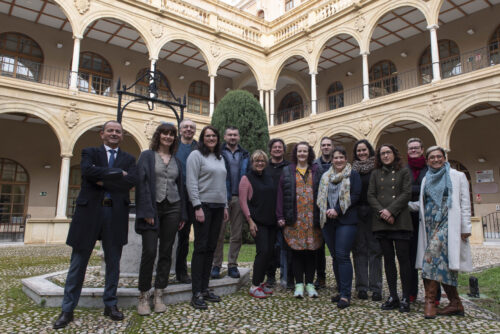 Taking part in the CUTIE project from the University of Murcia has been a deeply enriching experience. Not only because it has allowed us to advance in our understanding and dissemination of Digital Teaching Competence (DTC) and broader educational digital transformation within our institution, but also because it has opened up spaces to talk, reflect and build together from a very practical, close, flexible perspective — always grounded in a strong educational commitment.
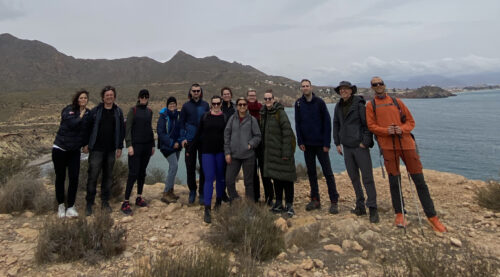 30I hope everything we have produced from our project can be useful to others. That is, after all, the essence of an ERASMUS project: that what we do in one small corner — in our case, Murcia — might open conversations and support digital transformation processes elsewhere.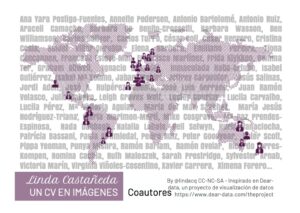

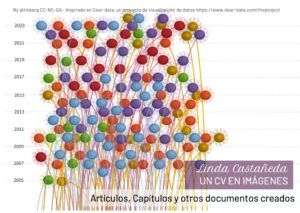

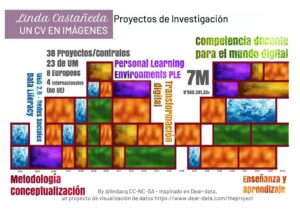

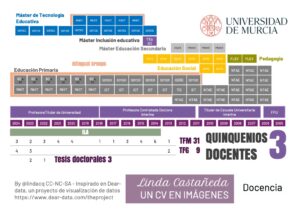

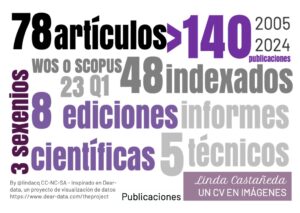

 university professorship in Educational Technology. Perhaps because of this, I do not intend to make a definitive theoretical or epistemic stance. This work is not meant to be ‘my legacy’ or a declaration of what I intend my research to be from now on, precisely because the mission of an academic, at least from my point of view, should be reviewed, rethought, and redirected continuously.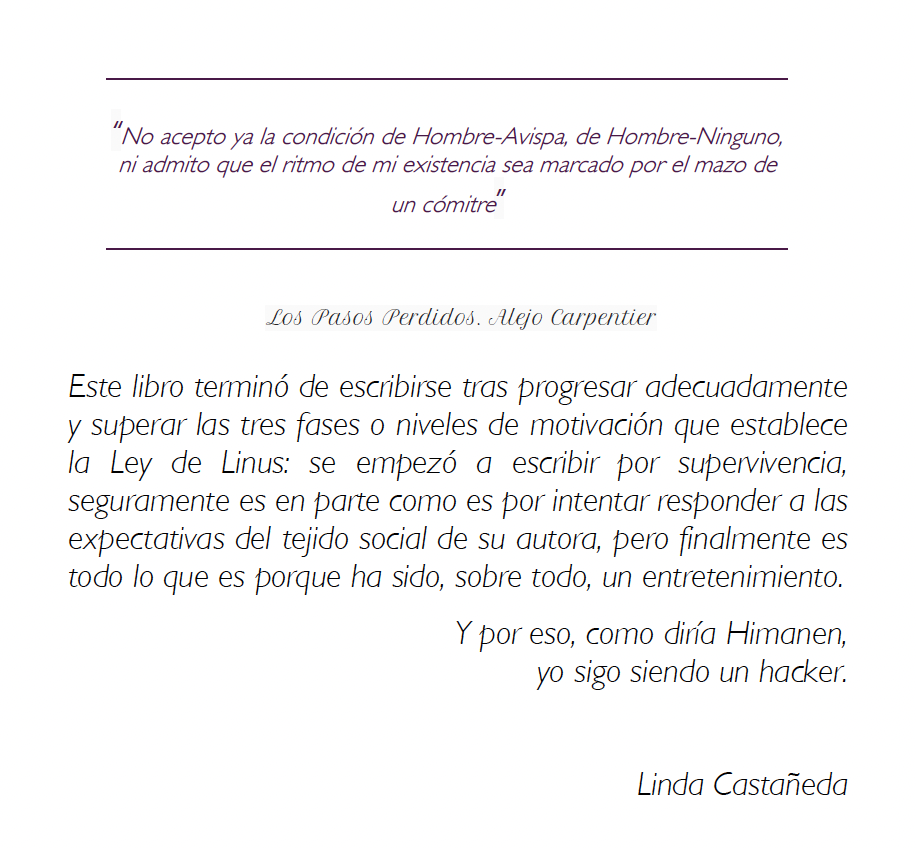

 On 30 December 2023, the DALI project -Data Literacy for Citizenship- (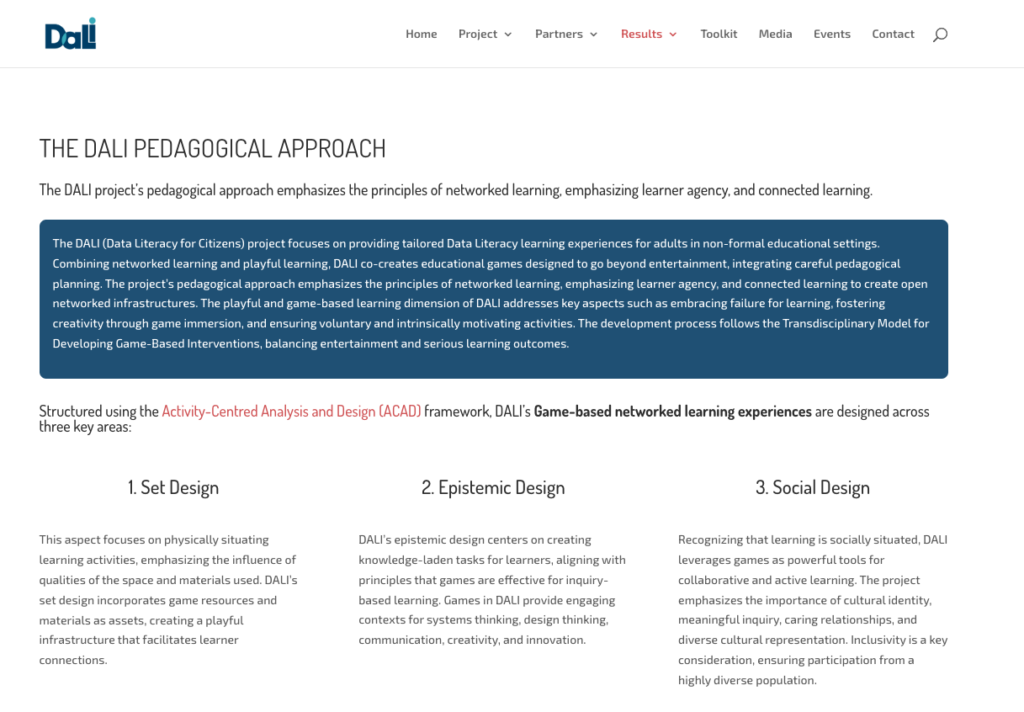
Emiliano Pereira González
Antonio Ruiz Martínez
Report and Technical Coordination
Linda Castañeda y Núria Vanaclocha.
Universidad de Murcia
Proyecto Competencias Digitales del Profesorado- Formación y Acreditación. DigCompEdu-FyA.
Real Decreto 641/2021, de 27 de julio, por el que se regula la concesión directa de subvenciones a universidades públicas españolas para la
modernización y digitalización del sistema universitario español en el marco del Plan de Recuperación, Transformación y Resiliencia
Ministerio de Universidades. BOE-A-2021-12614
Permanent link to the Report at the UM DIGITUM Repository https://lnkd.in/dUMwUc6d